REVIEW · JOHANNESBURG
Apartheid museum and Soweto. 5 hours Private tour.
Book on GetYourGuide →Operated by Itani Tours and Transfers. · Bookable on GetYourGuide
Segregation wasn’t accidental, it was designed. In this private outing, the Apartheid Museum turns policy into real stories, and Soweto shows what that system meant in everyday life. It’s a strong, guided route around Johannesburg’s most important landmarks in Gauteng.
I love the way this tour keeps things moving without rushing. You get skip-the-ticket-line entry and an English live guide who explains how people were classified by colour and race. I also like that it uses videos to help you understand how brutal the system was, not just what it was called.
One thing to consider: this is emotionally heavy. Between museum exhibits and the Soweto memorial context, you should expect serious material and plan to take it slowly when you need to.
In This Review
- Key things I’d plan around
- Pickup, timing, and how the day actually flows
- The Apartheid Museum: where segregation becomes clear
- A practical note on museum timing
- Johannesburg views and the city’s “gold” nickname
- Mandela’s House photo stop: small time, big context
- Hector Pieterson Museum in Soweto: history you can feel
- Soweto landmarks, cultural energy, and where to look
- A small tip for this section
- The real learning: race classification and control mechanisms
- Price and value: what $67 really buys you
- Practical tips that make the day easier
- Who should book this tour, and who should rethink it
- Should you book the Apartheid Museum and Soweto private tour?
- FAQ
- What is included in the tour price?
- How long is the experience?
- What sites have admission included?
- Are there any attractions that cost extra?
- Where do pickup and drop-off happen?
- What should I bring with me?
- When is the Apartheid Museum closed?
Key things I’d plan around
- Door-to-door pickup and drop-off from areas like Sandton, Rosebank, Sandton, Fourways, Rivonia, and more
- Apartheid Museum entry included so you spend time learning, not queuing
- Hector Pieterson Museum and memorial access included for a powerful, human-scale history lesson
- Photo stop at Mandela’s House that sets the stage for what came next
- A live English guide with the flexibility to pace the day for your questions
- One bottle of water and comfortable transport in a private group setting
Pickup, timing, and how the day actually flows
This tour is built for convenience. You choose a pickup point from a long list of Johannesburg-area neighborhoods, including Melrose, Lanseria, Midrand, Auckland Park, Rosebank, O.R. Tambo, Bryanston, Fourways, Rivonia, and Sandton, and the guide meets you at the hotel lobby or the exact address you provided.
In the simplest sense, you’re doing two main zones: the Apartheid Museum area and Soweto. You’ll start with the museum portion, then move into Soweto for the Nelson Mandela-era struggle sites and memorials. The plan is around a half-day feel (the experience is listed as a 1-day activity, and it’s described as a 5-hour private tour).
You’ll also appreciate the private-group pace. Instead of joining a large crowd, you can ask your guide to slow down for clarification—especially helpful here, where the history can feel dense.
You can also read our reviews of more private tours in Johannesburg

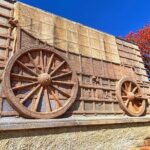

The Apartheid Museum: where segregation becomes clear
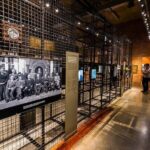
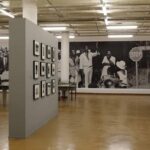
The Apartheid Museum is the core stop, and it’s included in your tour. You’ll learn the detailed history of segregation and how it affected people who were classified as non-whites under apartheid. The museum doesn’t treat this like a distant timeline—it pushes you to understand the logic of the system and how everyday life was shaped by it.
What makes this museum especially effective on a guided tour is the framing. Your guide helps you connect the dots between policies, classification by colour and race, and the real harm those rules caused across the country. You’ll also watch videos that bring the period back to life—often the fastest way to shift from knowing facts to truly grasping the brutality.
You should wear comfortable shoes and plan to spend real focus time. This isn’t a stop where you can skim and move on; the learning sticks because you’re being walked through what you’re seeing.
A practical note on museum timing
The museum is closed on Mondays and Tuesdays. If your trip lands on one of those days, you’ll want to pick a different day or consider an alternative plan.
Johannesburg views and the city’s “gold” nickname
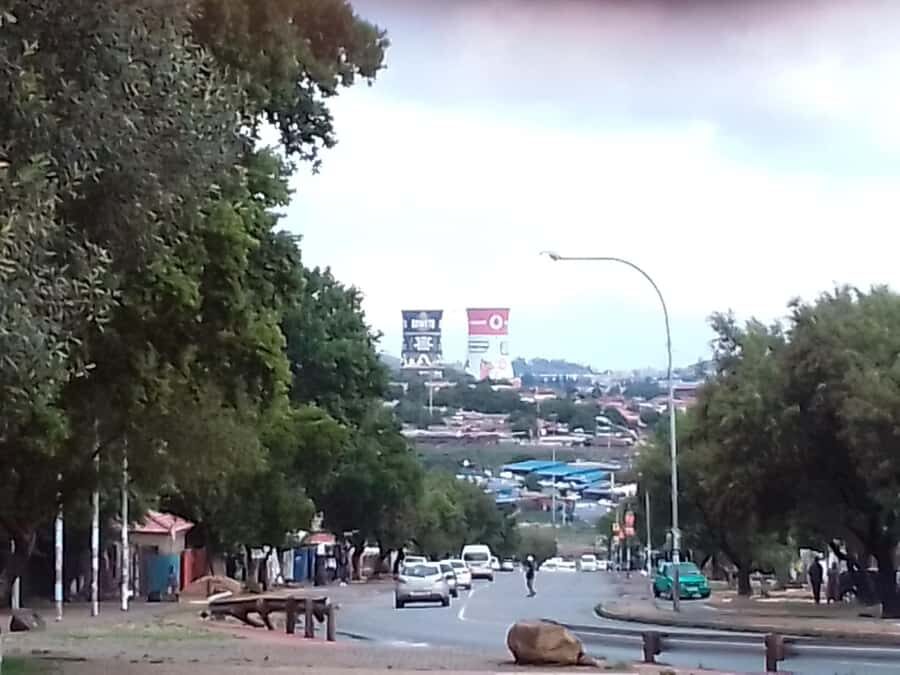
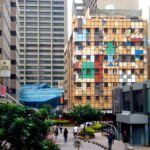
Before you go deep into the exhibits, you’re given a sense of place. The drive includes a beautiful view of the city of Gold—a nod to Johannesburg’s mining legacy—and it helps you remember you’re not just visiting a museum. You’re seeing the modern city that grew alongside the history you’re studying.
Even with a short route, those exterior moments matter. They give your brain a reference point before the information gets heavy, and you’ll likely feel more grounded when Soweto opens up visually and culturally.
Mandela’s House photo stop: small time, big context
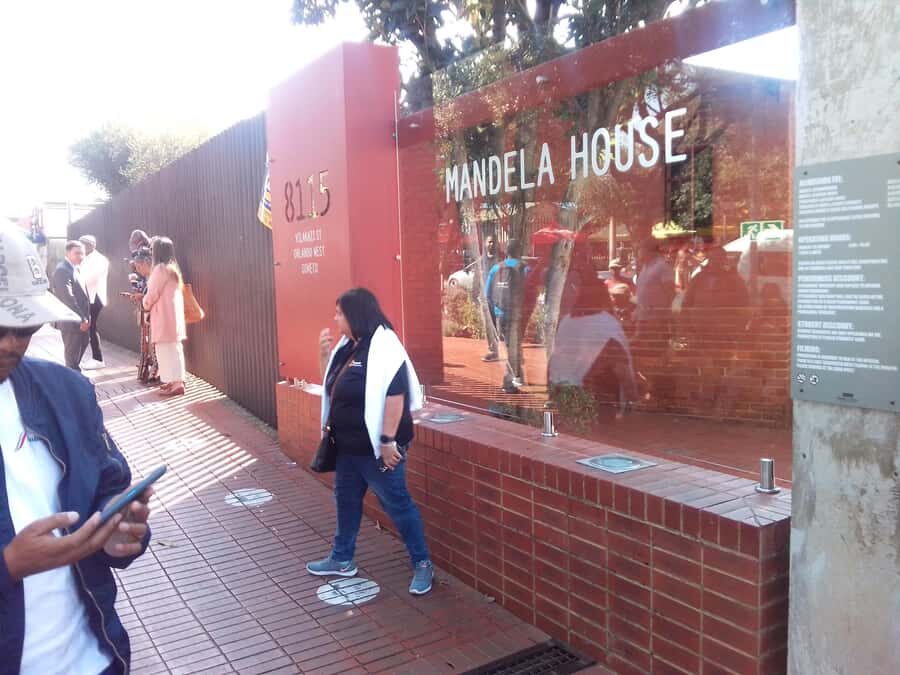
Next up is a Mandela’s House photo stop. This is kept to about 20 minutes, which means it’s more about orientation than an extended visit. You’ll get a quick look at a symbolic place tied to the later struggle and the Mandela story.
One detail to keep in mind: entry to the Mandela museum is not included. So you may see or reference the museum in the area, but if you want deeper time inside, you’d need to plan for that separately.
This photo stop works well because it acts like a hinge in the story. It connects what you learned in the Apartheid Museum—systems, control, classification—to the people and locations tied to resistance.
You can also read our reviews of more museum experiences in Johannesburg


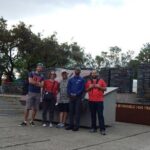
Hector Pieterson Museum in Soweto: history you can feel
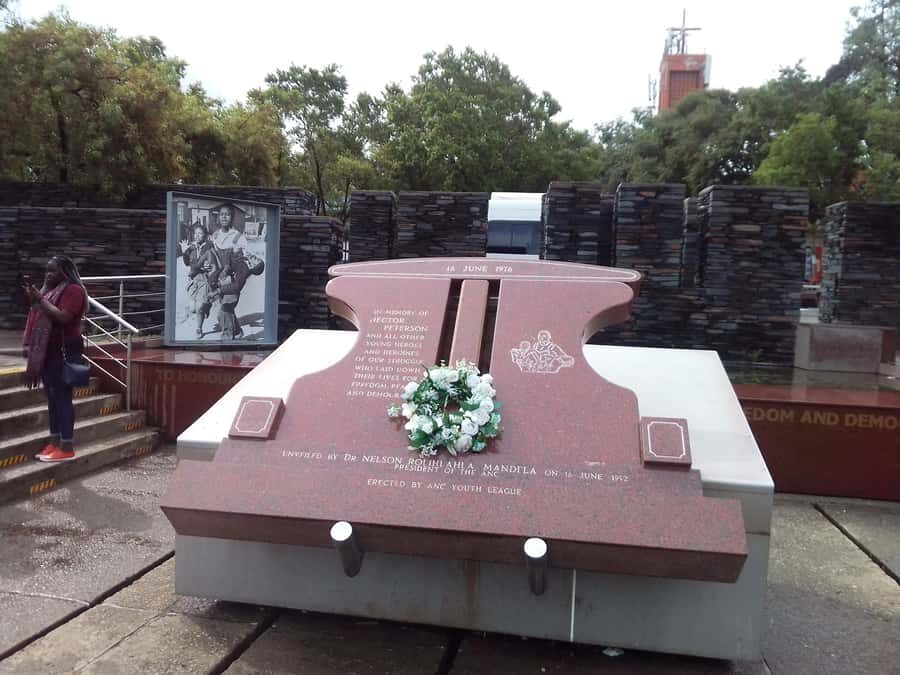
Soweto is where many activists built momentum against apartheid, and the tour places you right in the flow of that story. Your stop at the Hector Pieterson Museum is about 30 minutes for sightseeing, with the overall experience including entry fees for the Hector Peterson memorial.
Hector Pieterson is one of the most recognized symbols connected to the youth-led uprisings. In this part of the day, you’re not just absorbing dates—you’re learning how courage and loss collided in public life. Because you’re in Soweto with a guide, the museum stop doesn’t feel like a standalone attraction. It connects to the wider geography of struggle and community.
In practice, this is the moment that tends to land hardest. The guide’s job is to help you understand why these sites matter, and you’ll likely leave with a clearer sense of how the movement spread and why the world eventually had to pay attention.
Soweto landmarks, cultural energy, and where to look
Soweto isn’t only memorials. It’s a living area with history, culture, and community identity, including multiple cultural groups from across the country. Your route is designed to show you that blend—without turning it into a theme park.
You may be guided past or toward key sites such as:
- Regina Mundi Church
- Walter Sisulu Square of dedication
- Bara Hospital
- Orlando Towers
- Hector Peterson memorial (included)
- The Mandela museum area (entry fees not included)
If you’re wondering about timing or what you’ll get to do inside, here’s the reliable way to think about it: the tour includes entry fees for the Apartheid Museum and Hector Peterson memorial, but it does not include entry fees for Mandela museum or Orlando towers. So you’ll get historical direction either way, but extra entry may be on you if you decide to go in.
There’s also a cultural component. The experience is framed as a chance to enjoy cultural dancers, and you’ll learn about heritage and the different faces of Soweto. And because the tour highlights local food and drink, treat Soweto as the place to build in a real meal afterward—since food and snacks are not included.
A small tip for this section
When you’re in Soweto, slow down visually. Stand in a spot long enough to notice how everyday life sits next to the memorial landscape. That contrast is part of what you’re being guided to understand.
The real learning: race classification and control mechanisms
The tour’s educational tone is its strength. You start realizing the scale of apartheid by understanding how people were classified according to colour and race and how that shaped rights, movement, and daily possibility. The guide’s job is to explain the system clearly, then connect it to what you see.
What I find useful in a guided approach here is that you don’t just get a history lecture. You get interpretation while you’re surrounded by evidence. Videos and exhibit storytelling help you stop thinking in categories and start thinking in human impact.
By the time you’re in Soweto, you’re not only learning what apartheid was. You’re understanding the engine of the struggle—activists, community spaces, and public moments that pushed back.
If that kind of learning is what you came for, you’re in the right place.
Price and value: what $67 really buys you
At $67 per person, this tour can be good value—mainly because key costs are wrapped in. Your price includes:
- Entry fees to the Apartheid Museum
- Entry fees to the Hector Peterson memorial
- Guiding fees
- Transport
- One bottle of water
- Skip the ticket line (so you lose less time)
What’s not included: food, entry fees for Mandela museum, and entry fees for Orlando towers, plus snacks. That means you’re paying for the learning and movement, not for meals.
For me, the private format matters here. You’re paying for context and pacing, not just transport. In a place where details matter, a good guide can turn a set of sites into a coherent story. The private car also helps you keep the day smooth when you’re moving between areas.
If you’re a couple, a solo traveler, or a small family, private can be especially efficient. You’re getting a tailored route and a live guide without splitting your attention across a crowd.
Practical tips that make the day easier
Here’s what you should bring:
- Your passport (a copy is accepted)
- Comfortable shoes
- Camera
- Credit card and cash
- Any personal medication
Also plan for the reality that rules matter in shared spaces. Alcohol and drugs aren’t allowed, explosive substances aren’t allowed, alcoholic drinks in the vehicle aren’t allowed, and you should expect a quiet, respectful environment. And you’ll need to follow your guide’s instructions.
Because museum days matter, double-check your calendar. If you arrive on a Monday or Tuesday, the Apartheid Museum closure can disrupt the plan.
Finally, don’t rely on buying everything last minute. Food isn’t included, so plan where you’ll eat after Soweto.
Who should book this tour, and who should rethink it
This tour is a strong fit if you:
- Want a guided explanation of apartheid and its effects, not a quick sightseeing run
- Prefer a private group pace so you can ask questions
- Value visiting memorial sites with context, including Hector Pieterson-related places
- Like mixing learning with real community atmosphere in Soweto
It may not fit if you need light, casual sightseeing. This is heavy education, with exhibits and videos that address painful realities.
Also, it’s not suitable for people over 95 years.
Should you book the Apartheid Museum and Soweto private tour?
If you want a structured route through the Apartheid Museum and key Soweto memorial landmarks, this is the kind of tour that saves you time and boosts understanding. The included entries, transport, and live English guide help you focus on learning instead of logistics.
Book it if you’re ready for an emotional day and you’d rather have a guide connect the story than guess your way through it. Consider a different plan if you’re hoping for a casual, low-intensity visit or if your dates fall on a Monday or Tuesday when the museum is closed.
FAQ
What is included in the tour price?
Entry fees to the Apartheid Museum and Hector Peterson memorial are included, along with guiding fees, transport, and one bottle of water. Skip-the-ticket-line is also included, and the tour includes a live English guide.
How long is the experience?
The duration is listed as 1 day, and it’s described as a 5-hour private tour.
What sites have admission included?
Your tour includes entry fees for the Apartheid Museum and the Hector Peterson memorial.
Are there any attractions that cost extra?
Yes. Entry fees for Mandela museum and Orlando towers are not included, and food and snacks are not included either.
Where do pickup and drop-off happen?
Pickup and drop-off are available from multiple Johannesburg-area locations, including Melrose, Lanseria, Midrand, Auckland Park, Rosebank, O.R. Tambo, Bryanston, Fourways, Rivonia, and Sandton.
What should I bring with me?
Bring your passport (a copy is accepted), comfortable shoes, a camera, credit card and cash, and any personal medication.
When is the Apartheid Museum closed?
The Apartheid Museum is closed on Mondays and Tuesdays.