REVIEW · JOHANNESBURG
Half Day Soweto and Apartheid Museum Guided Tour
Book on GetYourGuide →Operated by Heritage Explorer Shuttle and Tours · Bookable on GetYourGuide
This day moves fast because Johannesburg and Soweto pack big stories into a half-day loop. I like how it balances landmark stops with human-scale moments, and I especially enjoy the chance to visit Vilakazi Street and the Apartheid Museum. One thing to consider: it’s a lot of walking and sitting in a tight time window, so comfortable shoes really matter.
You start with city context at major landmarks, then shift to Soweto’s key sites tied to Nelson Mandela, the 1976 Soweto Uprising, and apartheid’s machinery. Guides can make a noticeable difference here—some departures are led by people like Nor or Neo, and their energy and firsthand community perspective come through. If you want wheelchair-friendly access, this one isn’t set up for that.
In This Review
- Key Highlights at a Glance
- A Half-Day Route That Actually Makes Sense
- FNB Stadium and Chris Hani Baragwanath: City Context First
- Motsoaledi Informal Settlement Walk: Everyday Life, Not a Performance
- Orlando Towers: From Industrial Relic to Local Landmark
- Vilakazi Street: One Road, Two Nobel Laureates
- Mandela House Museum: Personal Objects, Bigger Impact
- Hector Pieterson Museum: The 1976 Soweto Uprising
- Apartheid Museum Self-Guided Time: Plan Your 2 Hours
- Timing, Comfort, and What to Pack
- Price and Value: Where the $117 Really Goes
- Who This Tour Fits Best (and Who Should Rethink It)
- Should You Book This Half-Day Soweto and Apartheid Museum Tour?
- FAQ
- What is the duration of the tour?
- Where does pickup happen?
- Is the Apartheid Museum admission included?
- Is Mandela House admission included?
- Do I need to pay extra for the Hector Pieterson Museum?
- Is lunch included?
- What language is the guide?
- What should I bring?
- Is this tour wheelchair accessible?
Key Highlights at a Glance
- FNB Stadium (Soccer City) quick intro, so the day starts with real Johannesburg muscle and modern history
- Motsoaledi informal settlement walk, built around meeting residents and seeing a typical day’s rhythm
- Orlando Towers, a power-station relic now wrapped in murals and turned into a sports landmark
- Vilakazi Street + Mandela House, focused on two Nobel Peace Prize laureates and the man behind the myth
- Hector Pieterson Museum, designed to explain the 1976 protests tied to Bantu Education
- Apartheid Museum self-guided time, giving you control to linger at the exhibits that hit hardest
A Half-Day Route That Actually Makes Sense
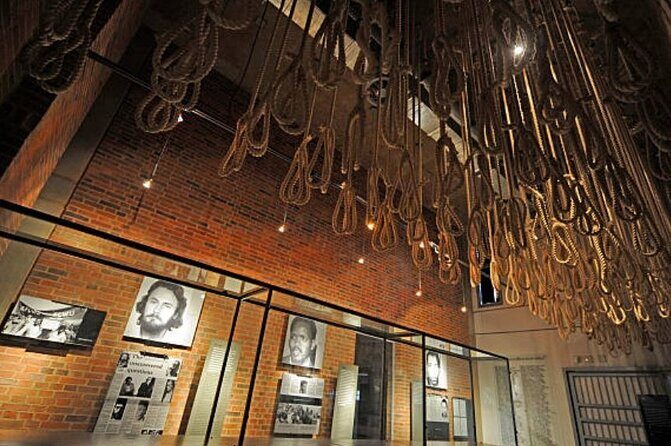
This tour is built like a story arc: start with the city’s scale, move into Soweto’s neighborhoods, then land at the museums where the meaning locks in. In about 4.5 hours, you see the places that many people only learn about through photos—and you get a guide to connect the dots between them.
I like that it doesn’t treat Soweto like a single photo stop. You’ll walk in places where daily life is happening now, and you’ll also see memorial spaces that ask you to slow down. That mix is exactly what makes the route feel worth your time.
The pace is brisk, though. You’ll have several short guided segments and one longer self-guided window at the Apartheid Museum, so you’ll want to stay mentally switched on.
You can also read our reviews of more guided tours in Johannesburg


FNB Stadium and Chris Hani Baragwanath: City Context First
You begin in Johannesburg with a brief sightseeing stop, then head past Chris Hani Baragwanath Academic Hospital—one of the biggest hospitals in the world. Even from the road, your guide uses the location to set context about health, scale, and how essential services shaped life for millions.
Then you drive by FNB Stadium, also known as Soccer City, famous as the main venue of the 2010 FIFA World Cup. This stop isn’t just sports trivia. It’s a reminder that Johannesburg isn’t only about conflict—it’s also a place of major public projects, shared spaces, and global attention.
Practical note: since this is mostly pass-by time, don’t expect a long look around the stadium area. Use the moment to ask your guide what changed in the city because of big events and why Johannesburg’s neighborhoods are so tightly connected.
Motsoaledi Informal Settlement Walk: Everyday Life, Not a Performance
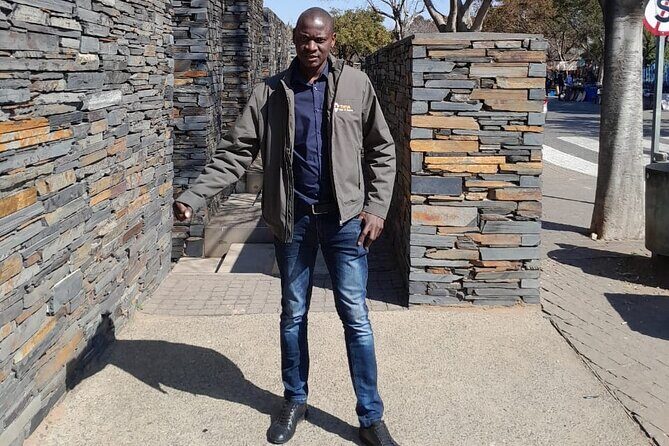
Your first Soweto stop is at the Motsoaledi informal settlement, where you’ll walk through sandy streets with your guide and see local homes and a typical day care center. The tone here is important: the visit is framed around meeting residents, greeting them, and learning about everyday challenges.
This is the part of the day that tends to leave people with the strongest sense of place. You’re not just absorbing dates and policies—you’re seeing the setting where those policies and economic shifts land in daily life.
A good practical approach: wear comfortable shoes and keep your camera ready but not constantly in your face. If you’re invited into conversation, let it happen. This stop works best when you’re present instead of collecting shots.
Orlando Towers: From Industrial Relic to Local Landmark

Next comes the Orlando Towers, a striking landmark in Soweto decorated with colorful murals. Your guide shares the history of the towers and their transformation—from industrial structures into a hub for extreme sports like bungee jumping.
Even if you’re not into adrenaline, the key value here is perspective. It’s a reminder that cities reuse their old infrastructure, and communities shape meaning over time. The towers feel like a metaphor in metal: what once powered a system can become part of a new identity.
You’ll pass by with time to take in the murals and photos, then move on. If you’re the type who likes to read every plaque, this might feel too fast, but it keeps the day balanced between overview and the deeper museum stops.
Vilakazi Street: One Road, Two Nobel Laureates

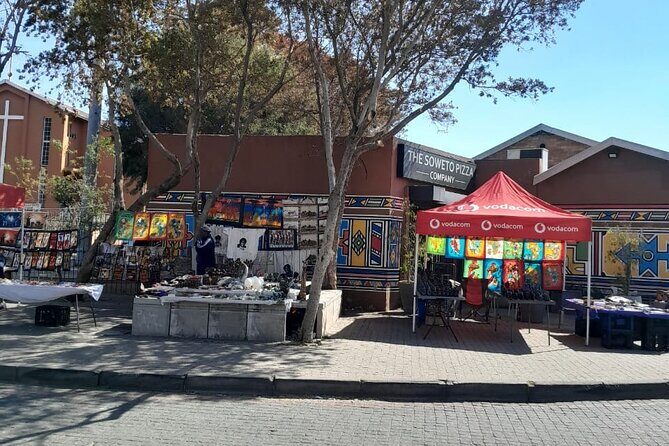
Walking down Vilakazi Street is a highlight because it ties personal history to global recognition. It’s known as the only street in the world that has housed two Nobel Peace Prize laureates: Nelson Mandela and Archbishop Desmond Tutu.
This stretch works especially well with a good guide. The street itself is modest, but the stories attached to it are huge. Your guide’s job is to keep the focus on what’s real: why Mandela and Tutu mattered, how peace and activism shaped South Africa’s future, and why the street is still a living part of Soweto.
What to expect on the ground: you’ll walk, you’ll absorb context, and you’ll feel the weight of history without being turned into a spectator. This stop is short on timing but long on meaning.
You can also read our reviews of more museum experiences in Johannesburg
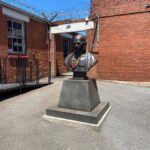

Mandela House Museum: Personal Objects, Bigger Impact

From Vilakazi Street, you visit Mandela’s House, now a museum, with a guided tour. Inside, you’ll find photographs, artifacts, and personal items that track Mandela’s journey from humble beginnings to global icon status.
The value of this stop is scale. The artifacts make the story feel less like a monument and more like a life. Instead of only hearing about political events, you see the material traces that shaped how Mandela’s story became international.
Time is limited—your guided visit is about 20 minutes—so decide in advance what you want most. If you like details, focus on a few areas rather than trying to absorb everything. If you like story flow, let your guide lead and use your notes to remember the key themes.
Hector Pieterson Museum: The 1976 Soweto Uprising

Your next museum stop is the Hector Pieterson Museum and Memorial, tied to the 1976 Soweto Uprising. This is where the day’s emotional center sharpens. The museum’s exhibits explain the tragic events when students protested against apartheid’s Bantu Education policy, with emphasis on the courage of youth and the uprising’s impact on the nation.
Here, the practical detail is the admission fee. Your tour includes everything else, but Hector Pieterson Museum admission is not included (it’s listed at 160 ZAR). If you’re budgeting, plan for it so you’re not surprised mid-day.
This is also a place where you should expect a heavier mood. Your best move is to give yourself space: listen to what your guide explains, then take a slow look at the exhibits that stand out to you. The memorial is built to be felt.
Apartheid Museum Self-Guided Time: Plan Your 2 Hours
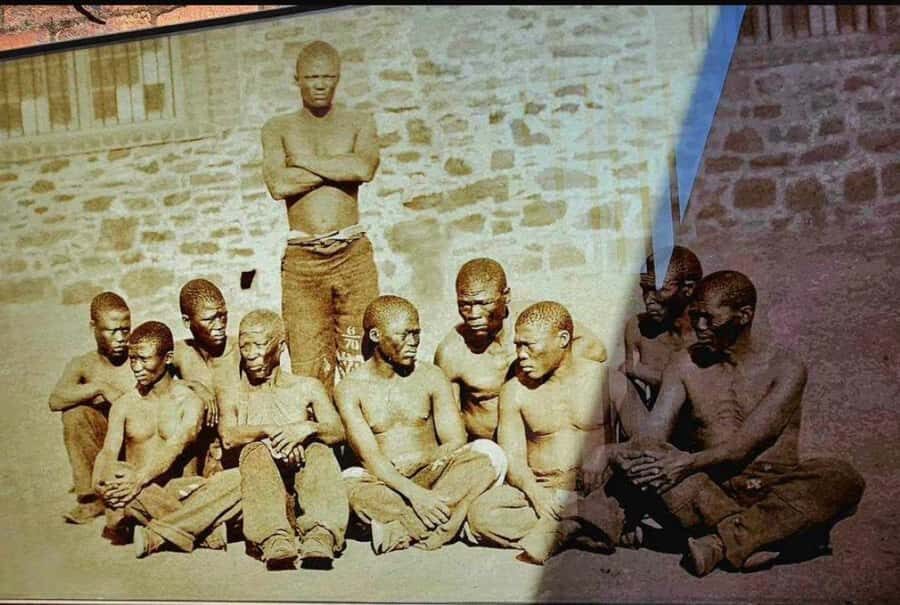
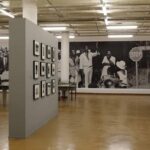
The day ends with the Apartheid Museum, and here you get about 2 hours self-guided. That choice matters because it lets you linger on what affects you most, instead of rushing past exhibits.
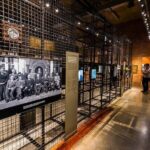
The museum is known for powerful displays that trace the rise and fall of apartheid in South Africa, using photographs, artifacts, and interactive elements. The architecture also does work for the visitor—it helps the exhibits feel larger than the individual rooms you’re standing in.
Since it’s self-guided, I recommend a simple strategy:
- Start with the areas that frame apartheid as a system, not isolated events.
- Pick one exhibit section that you really want to understand, and spend extra time there.
- Use your phone or notes to capture a few themes so your brain has a clean path through the story.
If you only skim, you’ll miss the museum’s strongest point: how systemic oppression operated day after day, and how resistance and pressure helped bring change.
Timing, Comfort, and What to Pack
This tour runs 4.5 hours with pickup in Johannesburg and multiple segments on foot plus driving time between stops. You also get lunch time—about 1 hour—but lunch itself is optional and not included as part of the tour price.
Your lunch stop is listed as Sakhumzi Restaurant (optional), so bring cash or plan a separate payment method if you want to eat with the group. If you prefer a lighter day, you can also treat lunch time as breathing room.
For what to bring, keep it simple:
- Comfortable shoes (walking on sandy or uneven surfaces is likely)
- Sun hat
- Camera
Other comfort tip: wear breathable layers. You’ll be in and out of vehicles, and the mix of shade and sun can surprise you in Gauteng.
Price and Value: Where the $117 Really Goes
At $117 per person, the price is easier to judge when you look at what’s included. Your tour includes guided services, entry to the Apartheid Museum, entry to Mandela House, an air-conditioned vehicle, WiFi on board, and bottled water. The big one to watch is that Hector Pieterson Museum admission is extra (160 ZAR).
In other words, you’re paying for organization and interpretation: transport, an English-speaking driver/guide, and the guided segments that connect the dots between sites. Without a guide, you could visit the museums, but you’d likely miss the context that makes the day click—especially around Vilakazi Street and the Soweto stops.
So is it worth it? If you’re short on time and want a focused Johannesburg and Soweto introduction that doesn’t feel random, yes. If you already know the political timeline and you just want museum time, you might choose a self-guided plan—but you’d give up the connecting narrative.
Who This Tour Fits Best (and Who Should Rethink It)
This tour fits best if you want:
- A guided route through Soweto’s most important political and cultural sites
- A blend of memorial spaces (Hector Pieterson, Apartheid Museum) and community-level learning (Motsoaledi informal settlement, Vilakazi Street)
- An efficient half-day overview without needing to plan multiple rides and timings yourself
It might not fit if:
- You need wheelchair access. It’s listed as not suitable for wheelchair users.
- You hate walking or prefer long, unbroken museum hours. Most guided stops are short, and the final museum is self-guided, not guided the whole time.
Language is English, which helps a lot if you want clear explanations rather than relying on translation apps.
Should You Book This Half-Day Soweto and Apartheid Museum Tour?
I’d book it if you’re spending limited time in Johannesburg and you want a route that’s more than sightseeing. The combination of Mandela House, Hector Pieterson, and the Apartheid Museum gives you both the personal and the systemic story. Add in stops like Motsoaledi and Vilakazi Street, and you get a day that feels connected instead of chopped into separate attractions.
Skip it only if you know you need full-day museum pacing, or if accessibility is an issue for you. Otherwise, this is a smart value play: you pay for time, transport, and interpretation, and you leave with a much clearer sense of how South Africa’s past shaped real places.
FAQ
What is the duration of the tour?
The tour lasts 4.5 hours.
Where does pickup happen?
Pickup is included from the lobby of your hotel in Johannesburg.
Is the Apartheid Museum admission included?
Yes. Entry/Admission to the Apartheid Museum is included.
Is Mandela House admission included?
Yes. Entry/Admission to Mandela House is included.
Do I need to pay extra for the Hector Pieterson Museum?
Yes. Entry/Admission to the Hector Pieterson Museum and Memorial is listed as 160 ZAR and is not included.
Is lunch included?
Lunch is not included as part of the tour price. There is an optional lunch stop at Sakhumzi Restaurant during the 1-hour lunch time.
What language is the guide?
The driver/guide is English.
What should I bring?
Bring comfortable shoes, a sun hat, and a camera.
Is this tour wheelchair accessible?
No. It is not suitable for wheelchair users.