REVIEW · JOHANNESBURG
Johannesburg City Evolution, Arts and Museums Walking Tour
Book on Viator →Operated by SKY Travel ZA · Bookable on Viator
Joburg teaches fast here. This walking tour connects Constitution Hill and the arts scene, so you see how democracy, struggle, and creativity fit together on one route. I especially like how the day pairs human-rights landmarks with art stops that make South Africa’s story feel immediate, not textbook-only.
I also like that it runs with a small group size (max 7) and moves at a human pace, guided by people such as Sean of SKY Travel ZA. One possible drawback: it’s a history-heavy morning with lots of walking and several short stops, so it may feel intense if you prefer lighter sightseeing.
Why this tour hits harder than a basic sightseeing walk
- Constitution Hill turns a former prison into a human-rights precinct you can feel in your bones
- Museum time is balanced with street-level context, so you get the arts view from inside and outside
- Small group (max 7) makes it easier to ask questions and keep the pace comfortable
- Several stops have admission included, so you’re not paying twice to “do the sights”
- Local transportation is part of the plan, which helps you experience the inner city the practical way
- The route ends at Newtown’s Market Theatre, a strong finish for anyone into South African culture
In This Review
- Where Democracy Gets a Physical Address: Constitution Hill
- COSATU House: The Labor Story Behind the City
- Wits University and the Wits Art Museum: Art as Commentary
- Braam Square: Inner-City Renewal You Can Walk Through
- Nelson Mandela Bridge: A Short Crossing With Big Meaning
- Oriental Plaza: Old Warehouses Turned Into Shops
- Museum Africa: How One Building Can Tell an Africa Story
- Market Theatre: The Struggle Theatre Finish
- Getting Around: Walking Time, Local Transport, and Staying Comfortable
- Food at the End: Local Fuel After Museums
- Price and Value: Why $37.02 Makes Sense Here
- Who This Tour Fits Best (and Who Might Want Something Else)
- Should You Book This Johannesburg City Evolution Tour?
- FAQ
- How long is the Johannesburg City Evolution, Arts and Museums Walking Tour?
- Where does the tour start and where does it end?
- What time does the tour begin?
- Is pickup included, and do I need a physical ticket?
- Are tickets included for museums and major sites?
- What is the cancellation policy?
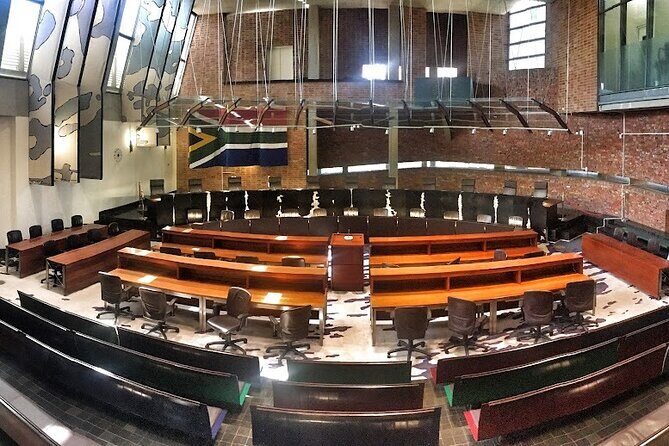
Where Democracy Gets a Physical Address: Constitution Hill
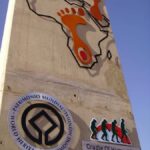
This tour starts at Constitution Hill Human Rights Precinct, at 11 Kotze St in Braamfontein. The place matters because it was once a prison complex and has been transformed into a space for human rights, with the Constitutional Court in the mix. Even if you know the history in broad strokes, the setting changes how you read it. You’re not just hearing about rights—you’re standing where the opposite was enforced.
You’ll have about 25 minutes here, with admission ticket included. That short window is a good reality check: you won’t see everything in one morning, but you’ll get the core themes—how South Africa moved toward democracy and what the cost of injustice looked like in real life. It’s also one of those stops where a great guide helps you connect the dots without turning it into a lecture.
Practical tip: dress for walking and indoor time. Even when places are renovated for tourist comfort and accessibility, you’ll still spend time moving between areas.
COSATU House: The Labor Story Behind the City
Next you stop at COSATU House in Braamfontein, tied to the Congress of South African Trade Unions. This is a quick stop—around 5 minutes—and it’s free. But it’s not filler. It gives you a different angle on power in Johannesburg: not just government and courts, but organized labor and the push for rights in everyday economic life.
Because the time here is brief, think of it as a signpost. You’re not meant to master labor politics in five minutes. You’re meant to notice the theme: the city’s evolution wasn’t only driven by elections and policies. It was driven by people organizing, negotiating, and pushing systems to change.
If you’re the kind of person who likes to understand a city from how it works—trade, jobs, unions—this stop will feel like a useful key.
You can also read our reviews of more walking tours in Johannesburg

Wits University and the Wits Art Museum: Art as Commentary
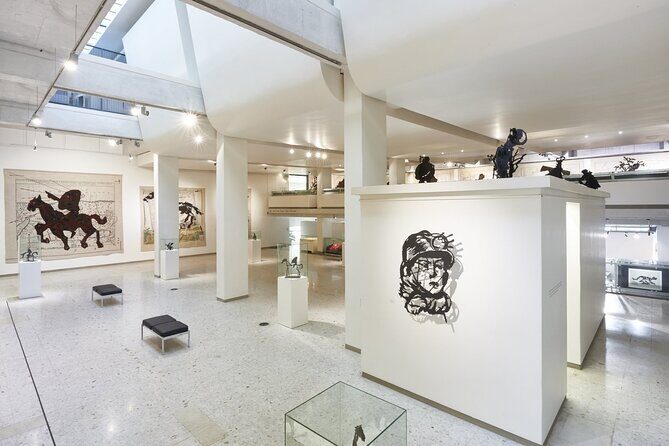
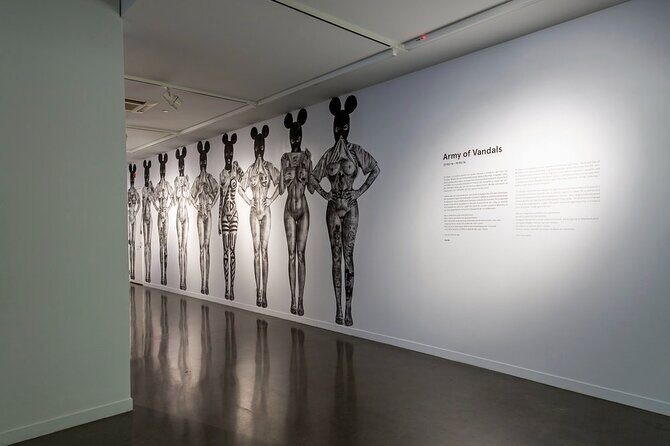
Around 25 minutes are set aside at Wits University and the Wits Art Museum on campus. Admission is included. Wits (the University of the Witwatersrand) is well known as a major research university, and the art museum gives you a focused way to see creativity as social commentary.
This is a stop I like for a simple reason: Johannesburg’s arts aren’t only “for entertainment.” On this route, you’re viewing art next to institutions tied to education, power, and civic change. That pairing makes the whole morning click. You’re already thinking about human rights and social struggle; then you walk into a museum environment where artists can respond to what society does to people.
Since the museum stop is included, you avoid the common headache of deciding last-minute if a ticket is worth it. You just go in and let the art do its job.
Braam Square: Inner-City Renewal You Can Walk Through
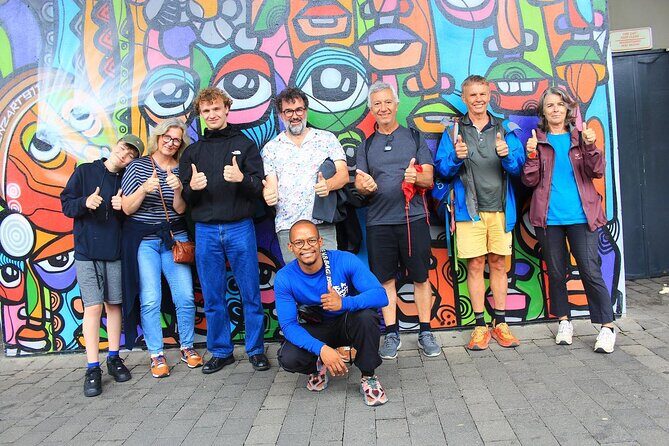
Then you move to Braam Square, a public square in the heart of Braamfontein. It’s free and lasts about 15 minutes. This part of the tour is less about one single landmark and more about reading the city’s energy at ground level.
Braamfontein has gone through serious redevelopment in recent years, and being in a public square is a quick way to understand what that means. You can see the mix of everyday life and planned improvement—people passing through, buildings changing function, and the city testing what “revitalized” looks like on the street.
Practical tip: if you’re taking photos, watch your timing. Stops are short, so it’s worth deciding quickly what you want to capture: streetscape, people, signage, or architecture.
Nelson Mandela Bridge: A Short Crossing With Big Meaning
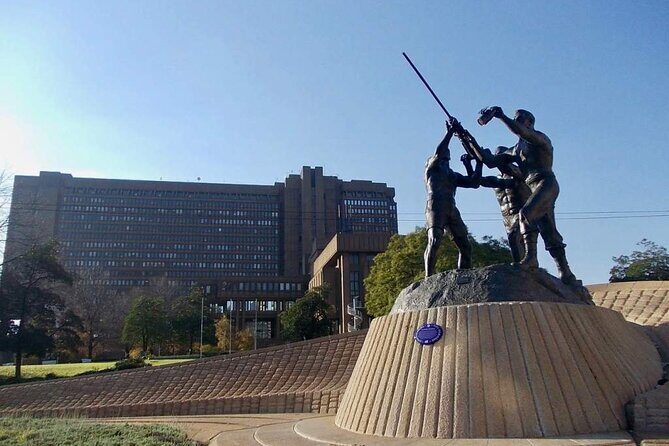
Next comes the Nelson Mandela Bridge, crossed on the way toward Newtown. It’s free and takes about 10 minutes. This is one of those transitions that’s worth paying attention to, even if it feels like a “just moving” segment.
A bridge is movement through space, but it’s also a movement through narrative. You’re transitioning from Braamfontein’s university and labor context into Newtown’s cultural zone. The bridge helps you reset your brain for the next set of stops.
If you like photos, this is often a good moment to capture the inner-city view without rushing, since you’re not fighting entry lines or museum schedules.
Oriental Plaza: Old Warehouses Turned Into Shops
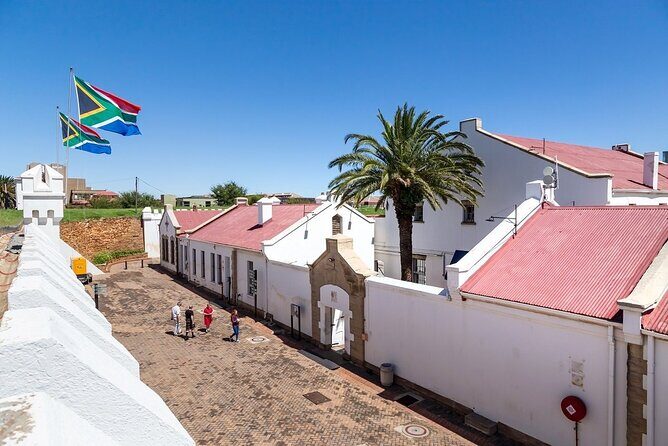
At Oriental Plaza, you get about 20 minutes and free entry. This complex has a late-19th-century origin as warehouses and shops, and then it shifted into a shopping center in the early 20th century. The value here is that it shows Johannesburg’s layering. Buildings can outlive the purpose people first had in mind.
Why this matters on an arts-and-museums tour: it’s a reminder that culture doesn’t only happen in museums. Commercial spaces, markets, and shop arcades shape daily life and often influence what creative communities do—where people meet, where walls get used for messages, and where the city’s “public” becomes visible.
You’ll likely feel the difference between places planned as culture venues versus places that just became cultural through constant use. That contrast is part of the point.
You can also read our reviews of more city tours in Johannesburg
Museum Africa: How One Building Can Tell an Africa Story
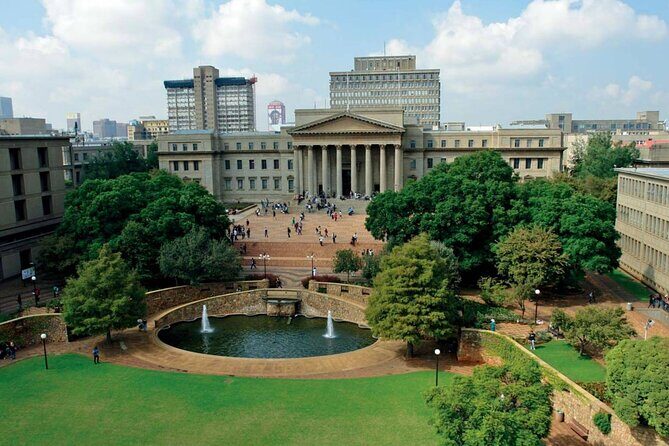
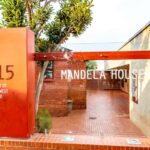
Then you spend about 35 minutes at Museum Africa, with admission included. This museum focuses on the continent’s past, present, and future through artifacts and exhibits. Even if you don’t read every label, you’ll get the overall structure: big themes, large timeframes, and the sense that Africa’s story isn’t a single narrative told one way.
I like this stop because it helps widen the lens beyond South Africa-only details. Earlier you’re centered on Johannesburg and human rights transformations. Here, you zoom out without losing relevance. You start seeing how local history fits into broader African context—politically, culturally, and socially.
Practical tip: museums can be tiring. Keep moving through rooms, and don’t worry about stopping at every single display. If you feel overwhelmed, pick a few galleries and give them your attention.
Market Theatre: The Struggle Theatre Finish

The day ends at the Market Theatre in Newtown (about 20 minutes, free). This stop is special because the theater played a major role during apartheid, giving artists a platform to express themselves and challenge the regime.
Finishing here gives you a strong emotional arc. You start at a human-rights precinct with the Constitutional Court context, then move through labor and art, and end with a cultural institution that fought back through performance. It’s one of those endings that makes the morning feel like it had a message, not just a schedule.
Practical tip: arrive ready to absorb atmosphere. Even with limited time, the theater setting helps you understand why arts can be political without needing extra explanation.
Getting Around: Walking Time, Local Transport, and Staying Comfortable
This experience runs for about 3 hours and uses local transportation as part of the route. That matters because it’s not a “bus-on-and-off museum tour” where you only see places as distant snapshots. The plan is designed to help you experience the inner city more realistically.
It also helps that the stops are said to be renovated for comfort and accessibility for tourists. Still, the pace is city-walking pace: you’ll be on your feet and you’ll want comfy shoes.
A small-group setup (max 7) is a big deal on routes like this. When there are fewer people, you waste less time bunching up at corners or pausing too long. It also makes it easier for the guide to check in on the group and adjust if someone needs a slower rhythm.
Food at the End: Local Fuel After Museums
You should plan for a local food option at the end of the walk. People have highlighted a platter that can be enough for lunch and even dinner, and braai-style BBQ has also come up. That’s a practical perk because it means you can avoid hunting for food right after your last stop.
The key idea: this tour doesn’t just end with an address. It aims to close the loop with a real-world meal, which makes it easier to keep your day flowing in Johannesburg without losing time.
If you’re picky about food timing, check with your guide on the day’s exact meal setup.
Price and Value: Why $37.02 Makes Sense Here
At $37.02 per person for about 3 hours, this tour is priced like a city experiences deal rather than a museum add-on. The value comes from the structure: several key stops include admission tickets, and the rest are free. You get a mix of paid entry (like Constitution Hill, the Wits Art Museum area, and Museum Africa) and shorter free cultural touchpoints (like COSATU House, Braam Square, Oriental Plaza, and Market Theatre).
In other words, you’re not paying for a full price at every stop. You’re paying for guidance plus time optimization. That’s the right way to spend money in a city where routes and entrances can eat up your day.
One more value point: the tour is offered with pickup, and you get a mobile ticket. Those two details reduce friction when you’re trying to focus on the actual experience instead of logistics.
Who This Tour Fits Best (and Who Might Want Something Else)
This is a great fit if you want:
- A Johannesburg route that connects politics, human rights, and the arts
- Museums that are paired with context, not just standalone rooms of objects
- A guided day that helps you read what you’re seeing without getting lost in details
It may be less ideal if you’re looking for a relaxed, purely scenic walk, or if you strongly prefer one kind of attraction—like only galleries, only neighborhoods, or only viewpoints. This tour leans into social meaning. That’s powerful, but it’s not a “light” morning.
Should You Book This Johannesburg City Evolution Tour?
Yes—if you want a guided route that explains Johannesburg’s evolution through human rights, labor context, and arts. The small group size, the combination of included museum entry and free cultural stops, and the practical ending with a local food option make it feel like a smart half-day plan.
Book it especially if it’s your first time in Johannesburg and you want your bearings fast: where the struggle is remembered, where creativity responds, and how the city has tried to remake itself.
If you’re sensitive to heavy themes, give yourself a little grace. Bring water, take breaks when you need them, and treat the emotional stops as part of the value.
FAQ
How long is the Johannesburg City Evolution, Arts and Museums Walking Tour?
It runs for about 3 hours.
Where does the tour start and where does it end?
It starts at Constitution Hill Human Rights Precinct, 11 Kotze St, Braamfontein, Johannesburg (2017). It ends at the Market Theatre, 56 Margaret Mcingana St, Newtown, Johannesburg (2001).
What time does the tour begin?
The start time listed is 10:00 am.
Is pickup included, and do I need a physical ticket?
Pickup is offered, and you’ll receive a mobile ticket.
Are tickets included for museums and major sites?
Yes. Admission ticket is included for Constitution Hill Human Rights Precinct, the Wits Art Museum area at Wits University, and Museum Africa. Other stops on the route are free.
What is the cancellation policy?
Free cancellation is allowed up to 24 hours in advance for a full refund. If you cancel less than 24 hours before the start time, the amount paid isn’t refunded.